"Yall Need Jesus" Bible SVG Design: A Designer's Review
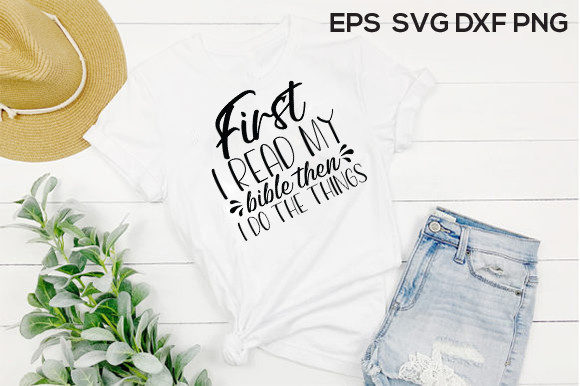
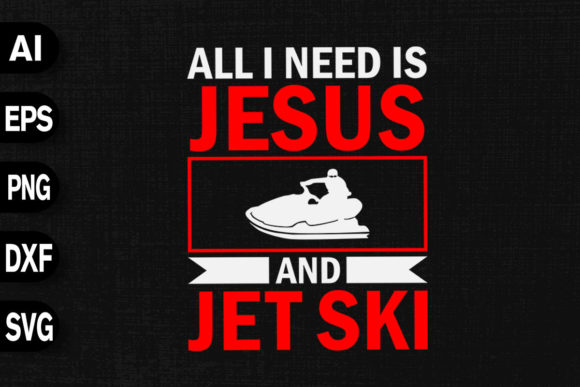
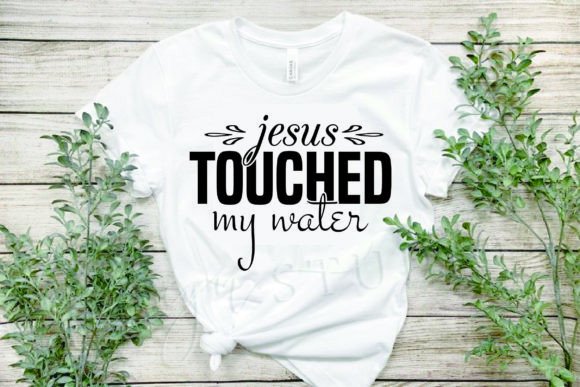
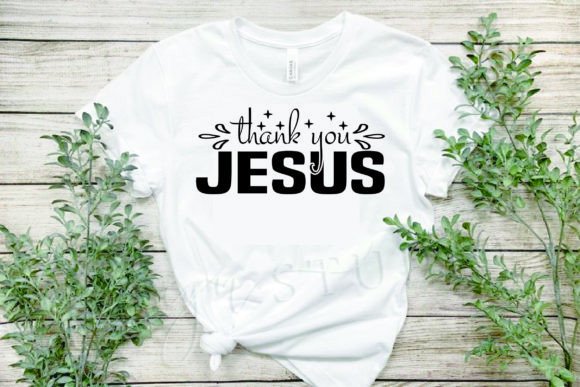
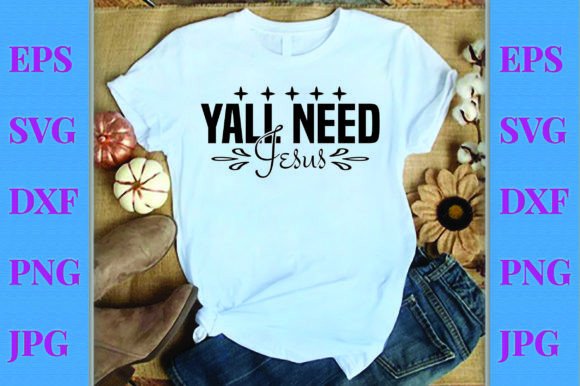
When I first opened this design file, I was curious how the phrase would translate into an embroidered piece. The tone is direct, unapologetic, and carries a kind of street-level honesty that works well on casual apparel. The layout is straightforward, with the words arranged in a clear, readable stack. The visual personality leans bold and conversational rather than ornamental or delicate. That alone tells me this is not a design meant for frilly baby bonnets or formal table linens. It belongs on pieces that can carry a statement.
The lettering appears to be built with clean lines and decent spacing. From a digitizing perspective, that matters. If the original SVG has thin strokes or tight kerning, the embroidery version can lose definition quickly. But this design gives the impression that it was created with legibility in mind. The message is the point, and the layout supports that.
Testing the Design on a Real Garment
One of the first things I do with any design is imagine it stitched out on a medium-weight cotton sweatshirt. That is my go-to test garment. A classic crewneck sweatshirt in a heather gray or cream offers enough contrast without fighting the thread. For this design, I see it working especially well on a soft pigment-dyed sweatshirt, the kind that has a worn-in feel right off the rack. The phrase has a slightly vintage, hand-painted sign look to it, and that aesthetic pairs naturally with garments that feel lived-in.
I would use a medium hoop size for this, likely a 5x7 or slightly larger, depending on the final scaling. The design needs enough breathing room so the words do not crowd the edges. On a tote bag, you could size it up a bit and let the phrase become the focal point of the bag front. On a cap, you would need to scale it down carefully and test the curve. Curved surfaces can distort lettering if the design is not adjusted properly.
Where This Design Performs Best
Custom apparel is the obvious home. T-shirts, hoodies, long-sleeve tees, and denim jackets all work well. The direct tone of the message fits the casual, everyday nature of those garments. I also see this working on embroidered patches. A patch version in satin stitch with a clean merrowed edge could become a popular item at craft fairs or on Etsy. Buyers who appreciate faith-based designs with a modern, unfussy look would gravitate toward this.
Tote bags are another natural fit. A sturdy canvas tote with this design centered on the front panel makes a practical product for church groups, small shop merchandise, or personalized gifts. The design holds up well on fabric that has structure. Canvas and twill provide a stable surface that keeps the stitches crisp.
This design also fits naturally within the T-Shirt Designs category. If you are an Etsy seller looking for new digital embroidery files to list, this piece offers strong visual impact on a simple tee. The phrase reads clearly on a front-center placement, and the sizing can be adjusted to fit youth or adult shirts. For handmade product sellers, a run of embroidered t-shirts with this message can move quickly at markets or through online shops.
Places to Use Caution
This design uses lettering, and lettering embroidery has its own set of challenges. Small hoop sizes can cause problems if the text is too large to fit comfortably or too small to stitch cleanly. If you are working with a 4x4 hoop, test the scaling first. Tiny lettering in embroidery can lose detail, especially if the font has serifs or thin sections. This design looks like it uses a sans-serif or simple serif style, which helps, but always stitch a test sample before committing to a production run.
Textured fabrics like fleece, boucle, or heavy knit can swallow thin stitches. If you plan to embroider this on a fuzzy sweatshirt or a textured blanket, use a cutaway stabilizer and consider a slightly larger size so the letters stay readable. Stretchy fabrics like jersey t-shirts need proper stabilization too. A tearaway stabilizer alone might not be enough. I recommend a medium-weight cutaway for most knit garments.
Dark fabrics require thread color contrast. A white or bright thread on black is safe. But if you use a dark thread on a dark shirt, the message disappears. Always preview your thread colors against the fabric. The design itself does not include built-in color changes, so you have full control over the thread palette. That is an advantage. You can match the mood of the garment.
Visual Impact and Product Value
From a business perspective, this design offers good potential for small shop products. Faith-based designs consistently sell well, especially when they feel authentic rather than mass-produced. The phrase has personality. It sounds like something someone would actually say, not a generic slogan. That matters for buyer engagement. Customers who connect with the message are more likely to buy the finished product as a gift for a friend or family member. It has shareability.
For Etsy sellers, this design works in multiple listing formats. You can sell the digital embroidery file itself, or you can stitch it out and sell the finished product. If you sell the digital file, make sure the SVG converts cleanly to your embroidery software. Not all SVG files import perfectly. Some need cleanup, path adjustment, or resizing before digitizing. Test the file in your software before listing it.
When it comes to commercial embroidery, check the licensing terms. If you are producing items for sale, confirm that the design usage covers commercial products. Some designers restrict commercial use or require a separate license. Do not assume. A quick check of the product page or a message to the seller can save you headaches later.
For printable mockups, this design looks strong as a central graphic. The clean layout makes it easy to photograph or render on a flat lay. If you sell digital products, a well-made mockup with this design can attract more views. The phrase stands out in a thumbnail.
A Real Scenario: Custom Tote Bags for a Local Event
Let me walk through a realistic scenario. Say you are preparing a small batch of custom tote bags for a local church event. You want something that feels modern but not overly polished. You choose a natural cotton tote, a medium hoop, and a rust or mustard thread color. The design centers nicely on the bag front. You stabilize with cutaway, stitch a test sample, adjust the tension slightly, and then run the batch. The finished bags have a handmade feel that the congregation appreciates. Someone asks if you sell them. That is the kind of reaction this design can generate.
This same approach works for personalized gifts. A tote bag with this design makes a thoughtful present for a friend who appreciates honest, faith-based messages. You can pair it with a matching card or a small embroidered patch for a complete gift set. The design's flexibility across product types is one of its strongest points.
Practical Designer Notes Before You Stitch
- Test on scrap fabric first. Always run a sample on a piece of similar fabric before stitching the final product. This is the only way to confirm stitch quality, tension, and sizing.
- Check thread color contrast. Light thread on dark fabric or dark thread on light fabric. Avoid low-contrast combinations that make the text hard to read.
- Review stitch density. Lettering designs can sometimes pack too many stitches into a small area, causing the fabric to pucker. If the density feels high, reduce it in your software or increase the design size slightly.
- Confirm hoop size. Make sure the design fits comfortably within your hoop with enough margin around the edges. A crowded hoop can cause registration issues.
- Inspect small details. Look for any thin strokes, tight curves, or decorative elements that might not stitch cleanly. If something looks questionable at the screen stage, it will likely be worse in thread.
- Test in black and white. View the design in grayscale or black and white to check legibility without color distraction. If the letter shapes are clear, you are in good shape.
- Compare light and dark backgrounds. Preview the design against both light and dark fabrics to see how the contrast shifts. This helps you choose the right thread for each product.
- Use proper stabilizer. For most knit garments, a medium-weight cutaway stabilizer is a safe bet. For structured fabrics like canvas, a tearaway may work, but test first.
- Confirm licensing. Whether you are selling finished products or the digital file itself, verify the license terms before listing. This protects your business and your customers.
Final Thoughts on This Design
Overall, this design earns a solid recommendation for small business owners, Etsy sellers, and crafters who want a faith-based statement piece that feels honest and direct. It is not overly decorative, which is a strength. It lets the message do the work. The layout is practical for embroidery, the mood is approachable, and the potential product range is wide.
Before you stitch, test your setup. Confirm the hoop size, check the thread contrast, stabilize properly, and run a sample. That applies to any design, but especially to lettering, where clarity is everything. If the letters stitch cleanly, the finished product will speak for itself.